

We must hold our organization accountable and use words that enlighten both brand opportunities and challenges.
Communicators are often in the right spot, with the right skills, and the right information to transform average organizations into great brands. To do so, we must be prepared and willing to step into that role rather than merely acting as a “wordsmith” for the executive team.
I emphasized this point recently to a class of honors students taught by business communications lecturer, Christina Moore, at Texas State University. I began by asking these future business leaders,
“How many of you anticipate having to tell your future boss that she misunderstands the motivations and concerns of your company’s customers, employees, or the marketplace?”
To the students’ credit, most of them raised their hand, but I saw questioning hesitation on many faces around the room. After all, such honesty could be career poison in many organizations. Continue reading “How business communicators become brand heroes”


 As proof in point, I offer Herb Kelleher, founder of
  Co-written by David Wenger and Dave Shaw in 2003. Still relevant today.
 Ernest Auerbach knows his way around the corporate world, including the carnage that often follows after a merger. As a corporate general manager with a global portfolio of senior positions from Xerox and CIGNA to New York Life and AIG, he has seen the ugly when, in his vivid words, “mergers trumpeted as made in heaven end up in hell.”
 Let’s consider a popular consumer brand choice you’ve likely thought about. Is the iPhone or the Android better for you? At the time this was written there were more than 97 million results on Google for that question, with lots of data points to consider. Which platform has the most advanced multitasking capacity? Which has better applications? You likely have a list of logical reasons in your head why one or the other is the best choice.
 What is the true cost of your company’s product? Behind the simple economic analysis of materials, labor, marketing, and distribution lurks the more complicated question of your brand’s social and environmental impact. Does your brand kill polar bears, and if so how does that fact impact your reputation?
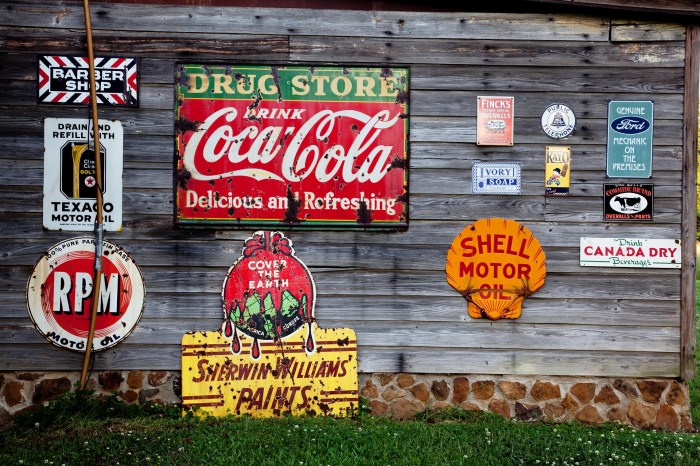 If you work for an organization that controls its brand expression through graphic identity guidelines, how do you know when it is time to vary from those guidelines or to change them outright? What is the life cycle of a design template, a logo, a font family or a color palette?
 Brands are often perceived in human-like terms. You would think most brand communicators would realize this, but it is surprising how often sales organizations exhibit the worst instincts of human behavior as they search for sales messages with consumer appeal.