

What is the brand strength hidden in your perceived weakness?
Does your company want to be branded as the market giant? Before you answer, consider the success of organizations that have sold themselves as giant killers instead. Most companies are not the dominant feeder in their category; for them, being a niche competitor can be very rewarding both in profitability and consumer loyalty.
One of the most well-recounted examples of this principle is the Avis “We Try Harder” campaign launched in 1962. Trailing Hertz, the top rental car company in the nation, Avis promised that as the underdog, they would provide better service with a try-harder attitude. The campaign, created by Doyle Dane Bernbach, is considered a classic example of embracing your perceived faults and making them brand strengths. Continue reading “Embracing Your Underdog Brand Identity”
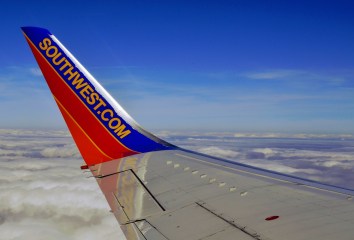 As proof in point, I offer Herb Kelleher, founder of
 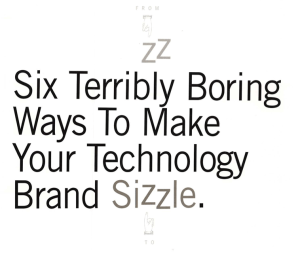 Co-written by David Wenger and Dave Shaw in 2003. Still relevant today.
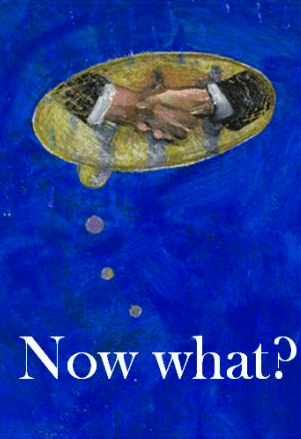 Ernest Auerbach knows his way around the corporate world, including the carnage that often follows after a merger. As a corporate general manager with a global portfolio of senior positions from Xerox and CIGNA to New York Life and AIG, he has seen the ugly when, in his vivid words, “mergers trumpeted as made in heaven end up in hell.”
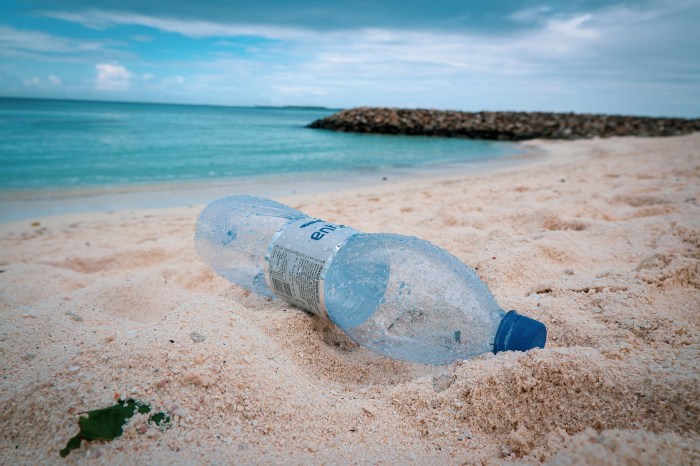 What is the true cost of your company’s product? Behind the simple economic analysis of materials, labor, marketing, and distribution lurks the more complicated question of your brand’s social and environmental impact. Does your brand kill polar bears, and if so how does that fact impact your reputation?

 The name Pony Sheet came from the old story about the young girl whose parents took her out to the barn on her birthday and announced, “We have a big birthday surprise for you.” Opening the door, she spied a huge pile of horse manure in the middle of the floor, a rather disappointing sight. Yet being a young optimist (most children are), the lass clapped her hands with joy. “With that much horse manure,” she exclaimed, “there must be a pony in here somewhere.”